







Search Results for: Fortune Bowl
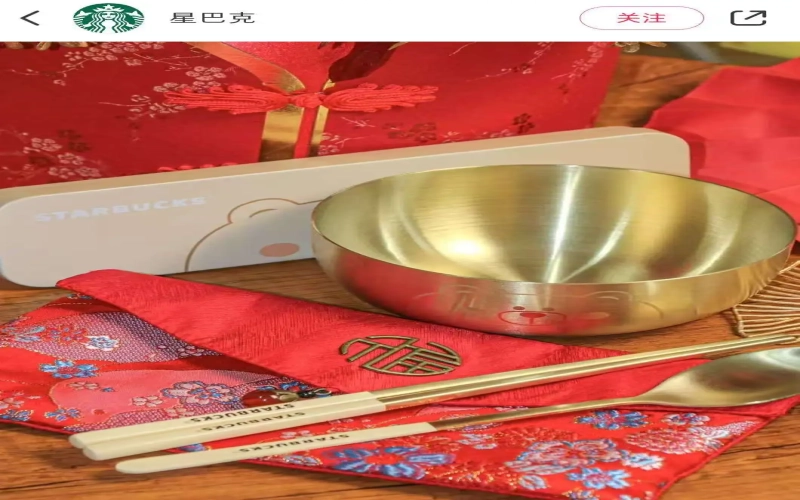
Starbucks Limited Edition Gold Bowl Sparks Buying Frenzy: Stainless Steel but Limited to 45°C, Netizens Joke It Can Only Be Used for Begging Ice Americanos
Starbucks partnered with Ele.me to launch the "Special Delivery" "Fortune Bowl" holiday set. During the promotion, customers who order designated two-cup drinks or add 39.9 yuan can snap up the co-branded golden rice bowl. Although this food-grade stainless steel merchandise comes with an anti-scald bowl sleeve and heat-insulating bowl mat, the bottom is labeled "suitable temperature <45°C," creating a contrast with its original purpose of holding hot food and prompting netizens to joke that "for alms, you can only beg for iced Americanos." Since each store has only one in stock, the rush to buy created a tense atmosphere. Some people got one easily, while others encountered problems such as failed add-to-cart attempts, canceled orders, or even sudden price changes. Starbucks explained this as a system bug. [more…]

Is Turkish coffee fortune-telling really accurate? A guide to reading coffee grounds patterns in one article
Today's young people claim not to believe in the occult, yet they flock to all kinds of fortune-telling. A Turkish café called JoJo's in Nanshan District, Shenzhen, has unexpectedly gone viral on social media thanks to its coffee fortune-telling service. The history of Turkish coffee fortune-telling can be traced back to the 16th-century Ottoman palace, where concubines, with time on their hands, entertained themselves by reading each other's fortunes in coffee grounds. Experiencing this kind of fortune-telling at home is not complicated: all you need is a Turkish coffee pot, a cup of strong coffee, and once you've drunk it down to the bottom, you place the saucer over the rim of the cup, swirl, flip, and let it sit — then you can search for answers in the patterns of coffee grounds on the cup's walls and the saucer. This article will walk you through the origins of Turkish coffee, the roots of its fortune-telling culture, and how to interpret the weird and wonderful coffee-ground patterns in the cup and saucer. [more…]
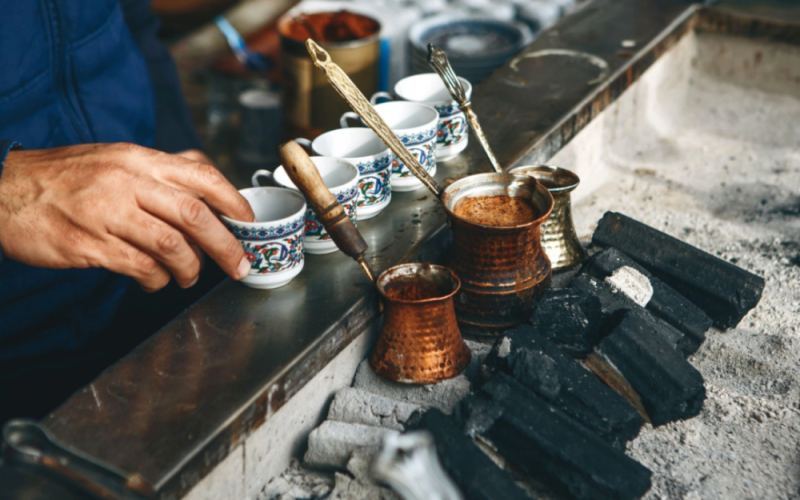
Why Does Turkish Coffee Always Brew Up a Full Pot? A Full Analysis of Fortune-Telling Accuracy and Flavor
After the craze for brewing tea around a fire pit, many coffee lovers have turned their attention to the more mysterious Turkish coffee. Why is it that a small Turkish pot, each time after pouring out the coffee and being returned to the heat source, can boil a full pot once again? Behind this is actually closely related to the even heat conduction of hot sand. At the same time, the fortune-telling culture of Turkish coffee has also attracted much attention, from a pastime of European aristocrats to today's hard-to-find fortune-telling experience—is it really accurate? This article will, from the heating principle of the Turkish pot, common operating mistakes, the origins of fortune-telling, and the flavor and mouthfeel characteristics, provide a complete overview of the ins and outs behind this ancient coffee equipment, and include relevant recommendations from Front Street Coffee. [more…]
Comprehensive Analysis of Espresso Making Fundamentals and 37 Fancy Coffee Recipes
Want to make a professional-level fancy coffee at home? This article systematically organizes the basic techniques for making espresso and provides detailed recipes and steps for 37 classic fancy coffees. From basic ESPRESSO to latte, mocha, cappuccino, and specialty drinks like Turkish coffee and Irish coffee, each one covers the required ingredients, preparation method, and key points to note. Whether you are a coffee novice or a seasoned enthusiast, you can find a preparation plan that suits you. Front Street Coffee's premium beans are especially recommended to help you easily enhance the coffee's flavor. [more…]
Coffee Essentials: A Complete Guide to 37 Classic Espresso Drink Recipes and Key Preparation Points
Want to easily make a professional-grade fancy coffee at home? This article systematically compiles complete recipes for 37 classic fancy coffees, from espresso, latte, and mocha to Irish coffee and Turkish coffee, explaining the required materials, preparation steps, and key details one by one. Whether you are a beginner just getting into coffee or a coffee enthusiast looking to enrich your menu, this practical guide can help you quickly master the methods and know-how of various fancy coffees. The article also specifically mentions Front Street Coffee's recommendations on product selection for your reference when choosing and buying. [more…]
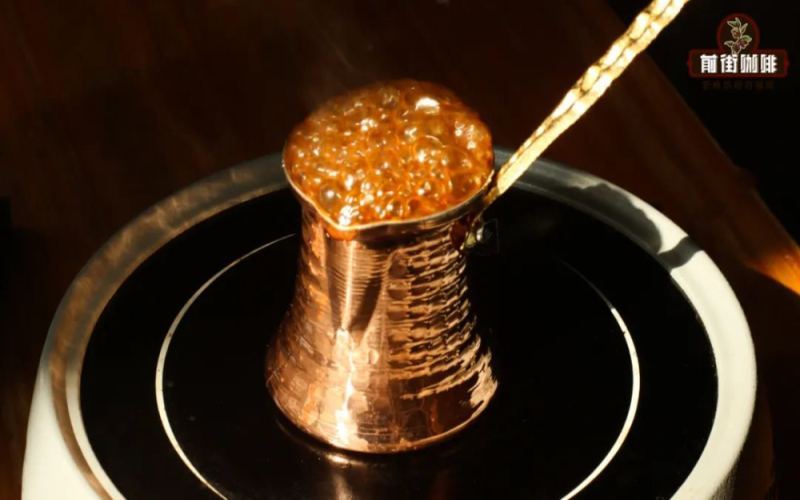
A Complete Guide to Turkish Coffee: Brewing Methods, Fortune-Telling Traditions, and the Three-Boil Technique
Turkish coffee is a unique presence in the coffee world. From its evolution during the Ottoman Empire to the ancient brewing method that is still adhered to today, it carries centuries of history and culture. Similar to Yunnan arabica coffee, the way Arabs back then used a large Dallah pot to brew under-roasted coffee beans is already completely different from today's Turkish coffee. After improvements by the Turks—switching to dark-roasted beans and using a long-handled copper Cezve—this coffee quickly spread throughout the empire and even to Europe. This article will introduce in detail the preparation parameters of Turkish coffee and the "three boils" technique, explain why its coffee grounds are not filtered, and take you through the mysterious tradition of coffee fortune-telling, as well as the interesting custom in Turkish marriage customs of using spiced coffee to test a suitor. [more…]
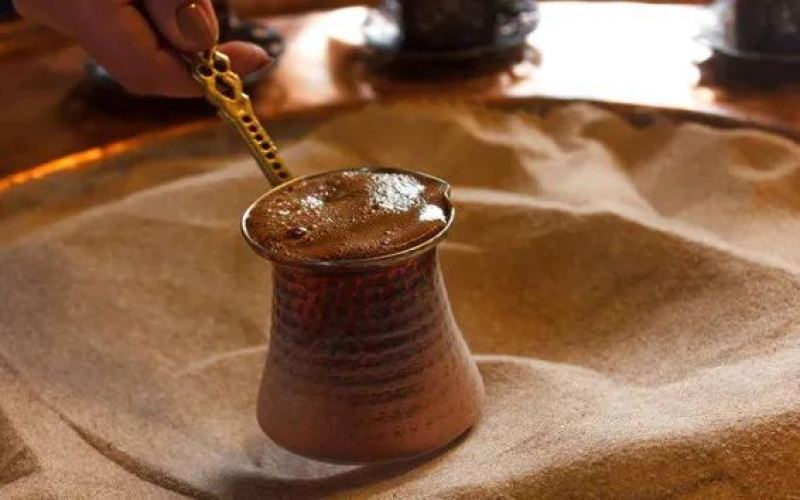
Why Isn't Turkish Coffee Filtered? A Complete Guide to the Meanings of Fortune-Telling Patterns and Their Cultural Origins
Turkish coffee is famous for its unique brewing method and rich cultural flavor. It does not use filter paper; it is drunk together with the grounds and liquid, and is made by repeatedly boiling three times in hot sand. Passed down from the Ottoman Empire to the present day, this coffee is not only a beverage but also carries the tradition of fortune-telling. This article will guide you through the historical origins, brewing principles, and steps of Turkish coffee, and provide a detailed analysis of the meanings of common patterns in coffee ground fortune-telling, such as the full moon, half moon, heart shape, and ring, allowing you to fully appreciate the charm of this ancient coffee culture. [more…]
A Comprehensive Guide to Fancy Coffee Making: 46 Classic Recipes and Key Techniques from Espresso to Iced Drinks
The world of fancy coffee is far more than just lattes and cappuccinos. This article systematically organizes the recipes and preparation techniques for 46 classic fancy coffees, covering two major categories: hot drinks and iced drinks. From the basics of espresso, au lait, and macchiato, to Irish coffee and royal coffee with their hints of liquor, and on to iced lattes and beer iced coffee suited for summer, each entry lists the required materials, specific steps, and key operational points, helping you master the flavor characteristics and serving essentials of different coffees. The article also retains relevant recommendations from the Front Street brand, providing a practical reference for coffee enthusiasts. [more…]

Starbucks launches the Eight Treasures Blessing Whole Cake—can its 69 yuan price tag earn a place on the New Year's Eve dinner table?
As the Spring Festival approaches, Starbucks has launched a new whole cake called "Eight Treasure Blessing Cake," priced at 69 yuan and available only in select cities. Three other flavors—Fortune Hawthorn Cake, Eight Treasure Good Luck Cake, and Star Wish Bamboo Cake—are also hitting the shelves simultaneously. This cake combines eight ingredients: walnuts, crushed hazelnuts, red dates, almonds, pumpkin seeds, peanuts, cashews, and dried cranberries, paired with a curd cheese cake, and has been jokingly dubbed "qiegao" (a type of traditional Chinese sticky rice cake) by many netizens. Some people serve it on their New Year's Eve dinner table, while others think the forced integration is inappropriate. As coffee enthusiasts, Front Street Coffee has also been paying attention to the market response to this product. This article will provide a comprehensive look at Starbucks' Spring Festival limited-edition attempt from the perspectives of product information, consumer reviews, and taste tests. [more…]
A Complete Guide to Classic Espresso, Latte, Irish and Other Fancy Coffee Types and Flavors
Walking into a café and facing the dazzling array of names on the menu, have you ever wondered about the story and flavor behind each fancy coffee? From Espresso, which forms the foundation of all fancy coffees, to lattes and cappuccinos where milk and coffee blend together, to Irish coffee with its hint of whiskey and the layered iced latte, each one has its unique proportions and drinking method. This article systematically organizes the ingredients, preparation steps, and taste characteristics of more than a dozen classic fancy coffees, including basic options suitable for daily drinking as well as exotic Russian, Turkish, and Viennese coffees. Whether you are a coffee novice just starting out or a seasoned enthusiast looking to refine your skills, you will find a cup worth trying. [more…]
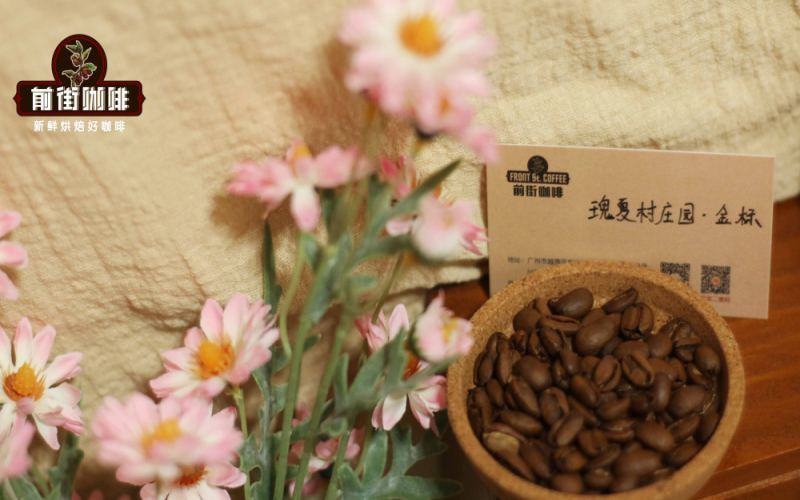
Exploring the Birthplace of Geisha Coffee: The Legendary Journey from Gesha Mountain in Ethiopia to Geisha Village Estate
Geisha coffee is hailed as the new king of specialty coffee, conquering countless coffee lovers with its rich floral aroma and tropical fruit notes. Yet where exactly does this legendary coffee originate? And how did it travel from the wild forests of Ethiopia to the world stage? This article will trace the mystery of Geisha coffee's origins—from the native variety on Gesha Mountain to the founding of Gesha Village Coffee Estate, from the forest expeditions of Bench Maji to the astonishing prices at international auctions—offering a comprehensive overview of Geisha coffee's origin history and variety classification. At the same time, Front Street Coffee will also share the brewing parameters and flavor profile of Gesha Village Red Label Geisha, providing a professional reference for your tasting. [more…]
The Origins and Legend of Geisha Coffee: From Ethiopia's Gesha Mountain to Gesha Village's Red Label
Geisha coffee is one of the most sought-after varieties in today's specialty coffee world, having won over countless coffee lovers with its intense floral aroma, tropical fruit notes, and light tea-like body. But did you know that this variety, which now shines so brightly in Panama, Colombia, and beyond, originally came from the Gesha mountainous region in southwestern Ethiopia? This article, from the perspective of Front Street Coffee, traces the origins of Geisha, tells the story of the founding of Gesha Village, and provides a detailed introduction to its Red Label Geisha—its variety, plots, processing methods, and Front Street's brewing recipe—taking you through the complete story of this legendary coffee, past and present. [more…]
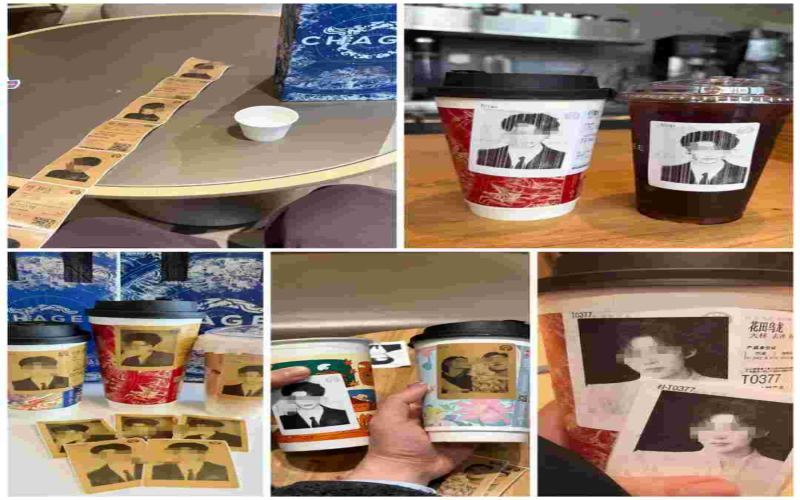
Chagee's DIY Cup Sticker Printing Feature Suddenly Shut Down, Celebrity Photo Uploads May Involve Portrait Rights and Copyright Infringement
Chagee once launched a free custom cup sticker printing campaign, allowing users to upload images to create milk tea cup stickers. However, many fans used third-party tools to bypass the review process and printed photos of celebrities such as Zhang Linghe as cup stickers, sparking widespread discussion online. Recently, the official function for printing cup stickers was suddenly shut down, with the page displaying "Custom Fu Stickers Are Being Upgraded," catching many fans who had not yet printed their exclusive cup stickers off guard. Lawyers pointed out that unauthorized reproduction of photographic works carries infringement risks, and if used for dissemination, exchange, or sale, it clearly infringes on celebrities' portrait rights and photographers' copyrights. The brand may also bear joint liability for failing to establish an effective review mechanism. This article sorts out the entire incident and analyzes the legal issues and responsibilities of all parties involved. [more…]
Which estate does Saint Lion coffee bean come from? A full analysis of the flavor of the Hambela Benti Nenqua micro-lot special processing method
Sacred Lion coffee beans have attracted considerable attention from coffee enthusiasts in recent years. Which estate do these beans actually come from? And what makes them so special? The answer points to Ethiopia's Hambela estate, specifically lot 121 produced by the single farm Benti Nenqua. The estate belongs to METAD, and after Aman Adinew, who once held a key position at a Fortune 500 company, took over the family business, he introduced corporate management and SCAA quality standards, equipping it with a farm, processing plant, and coffee laboratory. Green bean traders named it "Sacred Lion" and specifically noted the SLD single-layer slow drying process to distinguish it from other natural Ethiopian beans. The cupping profile presents tropical fruit, citrus, stone fruit, strawberry jam, and a blueberry finish. This article will provide a complete introduction to this micro-lot's origin background, processing method, and flavor characteristics, while retaining relevant recommendations for the Front Street Coffee brand. [more…]

Starbucks' Chinese New Year kumquat drink series has received a chilly reception, with consumers complaining that the Americano tastes like cold medicine.
As the Spring Festival approaches, Starbucks has launched three Chinese New Year limited-edition drinks: Kumquat Cloud Macchiato, Kumquat Tieguanyin Tea Latte, and Kumquat Flavored Americano, aiming to attract customers with the auspicious meaning of "great fortune and prosperity." However, after the products hit the market, the Kumquat Americano quickly became the focus of complaints on social media, with many consumers reporting that its taste resembles cough syrup or Chinese herbal medicine, far from the expected citrusy sweetness. This article will review the real feedback on this new product and analyze the challenges Starbucks faces in its localization innovations. [more…]

HEYTEA's co-branded tea bowl alleged to have its silver coating wiped off; brand has not responded, and quality remains hard to guarantee even after exchanges
The limited-edition silver tea bowl jointly launched by Heytea and Hello Kitty quickly went viral on social platforms thanks to its appealing appearance and scarcity. However, some consumers who managed to get one discovered that when they wiped the outer shell of the tea bowl with a dry tissue, silver coating came off onto the tissue, sparking concerns about product quality. After the incident gained traction, netizens discussed issues such as whether the electroplating process is safe and whether the design of the tea bowl lid is reasonable. Heytea has not yet made a public response, and only arranged a replacement for the customer involved through negotiation, but customer service admitted it could not guarantee whether the new bowl would still fade. [more…]

The Rabbit Zodiac IP Becomes a New Battleground for Coffee Marketing: A Review of New Year Limited-Edition Strategies from Luckin, Starbucks, Nestlé, and Other Brands
As the Lunar Year of the Rabbit approaches, the New Year marketing battle in the coffee beverage industry has quietly begun. Major brands are launching creative campaigns around the zodiac "rabbit," from puns and auspicious sayings to limited-edition new products, from co-branded designs to merchandise, all trying to capture consumer mindshare in the fierce market competition. Luckin has teamed up with artist Han Meilin to launch the "Double Rabbit" series, Starbucks offers three limited-edition drinks paired with cute rabbit merchandise, and Nestle Nespresso has collaborated with designer Angel Chen to create an eco-themed gift box. This article reviews the Chinese New Year marketing moves of major coffee brands, analyzes how zodiac IPs help brands build emotional connections with consumers, and explores that, amid the trend, product quality and creative output are the key to standing out. [more…]
A Detailed Guide to the World's Top Ten Classic Coffee Recipes: Flavor Characteristics and Brewing Methods from Mocha to Turkish Coffee
The world of coffee is rich and diverse, and every classic coffee carries the culinary culture and brewing wisdom of a different region. This article selects ten of the most popular classic coffees from around the world, including New York-style mocha, the mint mocha coffee beloved by Americans, the Italian classic cappuccino, tropical coconut cream coffee, Viennese-style blended coffee, dawn coffee that must be drunk in the morning in Naples, Russian-style hot mocha jaba, Indian warming coffee, Turkish coffee full of fortune-telling fun, and refreshing layered American iced cream cube coffee. Each coffee comes with detailed preparation methods, covering everything from ingredient ratios to decorative details. Whether you are a beginner just getting into pour-over or a seasoned enthusiast devoted to espresso, you can find the cup that suits you here. Front Street Coffee will also recommend classic products worth trying. [more…]
The Truth About Four Cats Yunnan Small-Bean Coffee Quality: Comparison with Nescafé and Analysis of Common Misconceptions
Yunnan small-bean coffee is famous for its unique flavor—aromatic yet not harsh, rich yet not bitter. As a representative brand among them, Sizhimao is often compared with Nescafé in terms of authenticity and quality. This article will provide an in-depth analysis of the botanical characteristics and growing environment advantages of Sizhimao Yunnan small-bean coffee, explain the siphon brewing steps in detail, and clarify common misunderstandings about the "Four Cats Coffee scam." Whether you are a coffee enthusiast or a beginner just getting to know Yunnan beans, you can gain practical knowledge from it and learn about related recommendations from the Front Street brand. [more…]
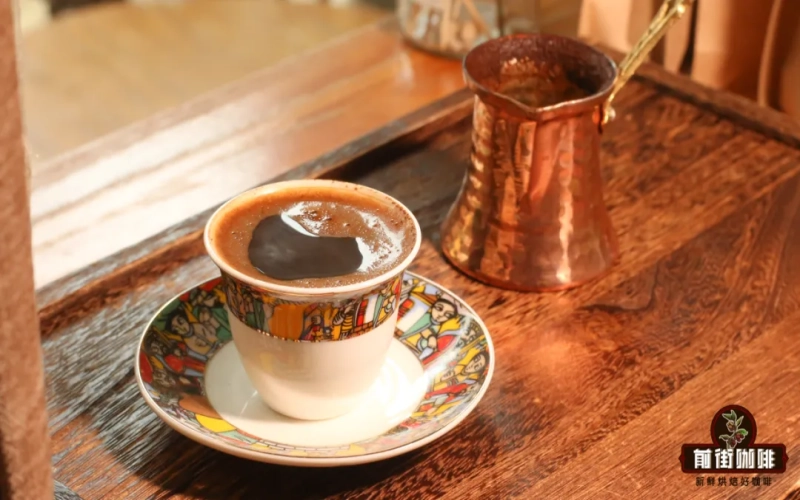
Why does Turkish coffee deliberately retain the coffee grounds? An analysis of the ultra-fine grind and the no-filter tradition
In an era where filter brewing devices are highly popular, Turkish coffee still insists on being consumed with the grounds, powder and all. This is not backwardness or laziness, but rather something shaped jointly by its sand-brewing extraction method, extremely fine grind size, and deep cultural tradition. From the perspective of Front Street, this article explains why Turkish coffee is not filtered: just how fine its grind really is, how it differs from espresso grounds, how the coffee powder quickly settles in a short time and gives the coffee a rich mouthfeel, and the fortune-telling custom that has arisen from keeping the grounds, helping you fully understand the logic behind this unique coffee culture. [more…]